
Last Updated: October 30, 2026
Quick Summary
Handcrafted jewelry costs more because the price reflects real materials, real hours, and a real person at the bench. Genuine natural gemstones and solid metals cost more in small batches, and hand finishing cannot be batched the way a machine process can. Overhead, payment fees, and a margin that covers returns and repairs are built into every piece.
- Small makers buy stones in smaller lots, so material costs run higher than factory prices.
- Sterling silver and solid gold are priced by weight, while plated base metal costs a fraction as much.
- A made-to-order piece carries its full design and setup time on a single sale.
- Compare two pieces only after matching stones, metal, dimensions, construction, and included services.
- A handmade piece can usually be restrung, resized, or repaired, while plated fixed-size pieces often cannot.
Table of Contents
- Where the Money Goes in Handcrafted Jewelry
- What Is Considered Handcrafted Jewelry?
- Handcrafted vs Mass-Produced Jewelry: The Real Differences
- How to Tell If Handmade Jewelry Is Good Quality
- Design Complexity, Custom Work and Production Scale
- Is Handmade Jewelry Worth It? Comparing Like for Like
- Repairs, Resizing and Lifetime Ownership Costs
- Choosing a Handcrafted Piece That Earns Its Price
- Frequently Asked Questions
Where the Money Goes in Handcrafted Jewelry
Handcrafted jewelry costs more because the price reflects real materials, real hours, and a real person at the bench. We believe you should understand what goes into a handcrafted piece, so we would rather show you the math than ask you to take it on faith.
Materials Cost: Natural Gemstones and Precious Metals
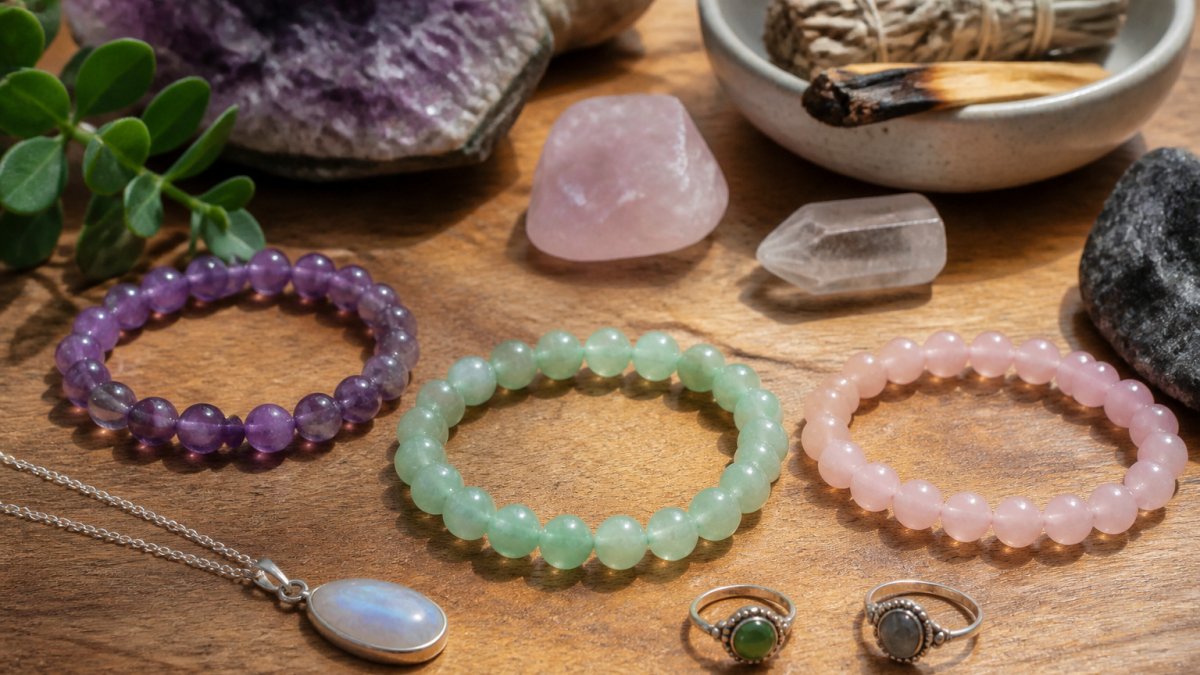
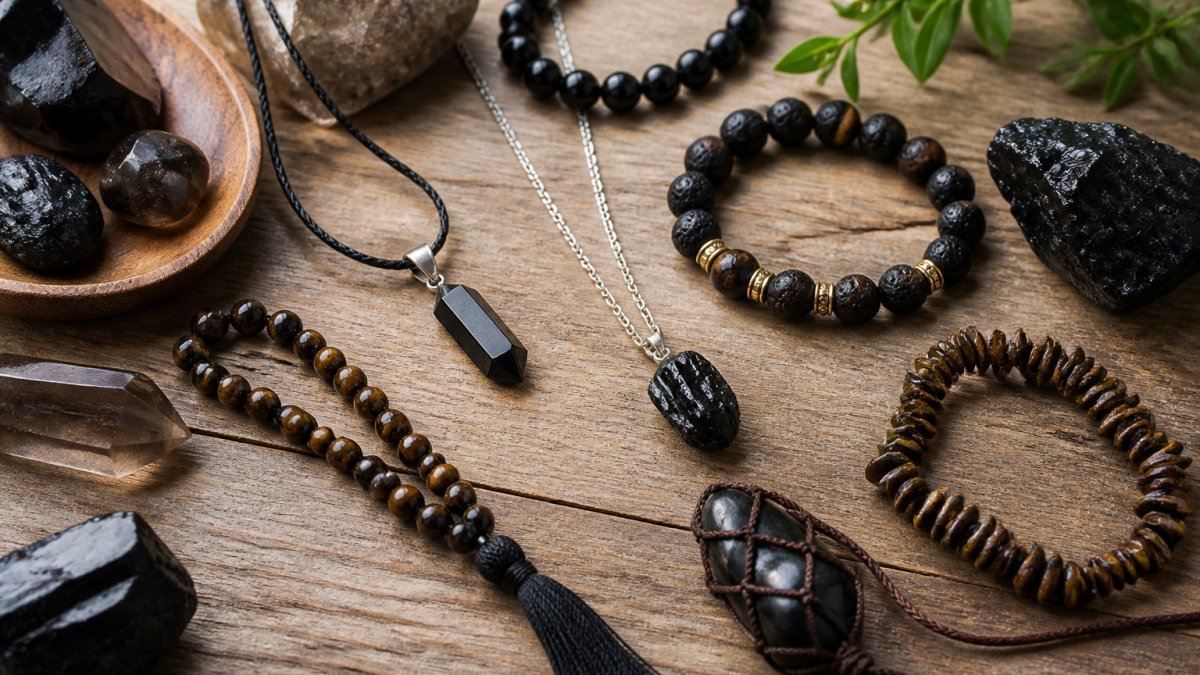
Material cost is the first and least negotiable line item. Genuine natural gemstones vary in color, clarity, and patterning, and a maker buying small batches pays more per stone than a factory buying by the kilogram. A useful way to check a jewelry price is to ask what the stones are, whether they are natural, and where the metal comes from.
A few mechanisms explain why small-batch material costs can run higher than buyers expect:
- Batch size: a factory can buy large quantities of stones at a fixed grade, while smaller makers buy in smaller lots.
- Calibrated versus free-size: factory settings commonly use calibrated stones in standard sizes, while free-size stones are harder to set by machine.
- Metal weight and alloy: sterling silver (92.5% silver) and solid gold alloys are priced by weight; plated base metal is a thin layer over brass or copper and costs a fraction as much.
Labor Hours and Maker Skill
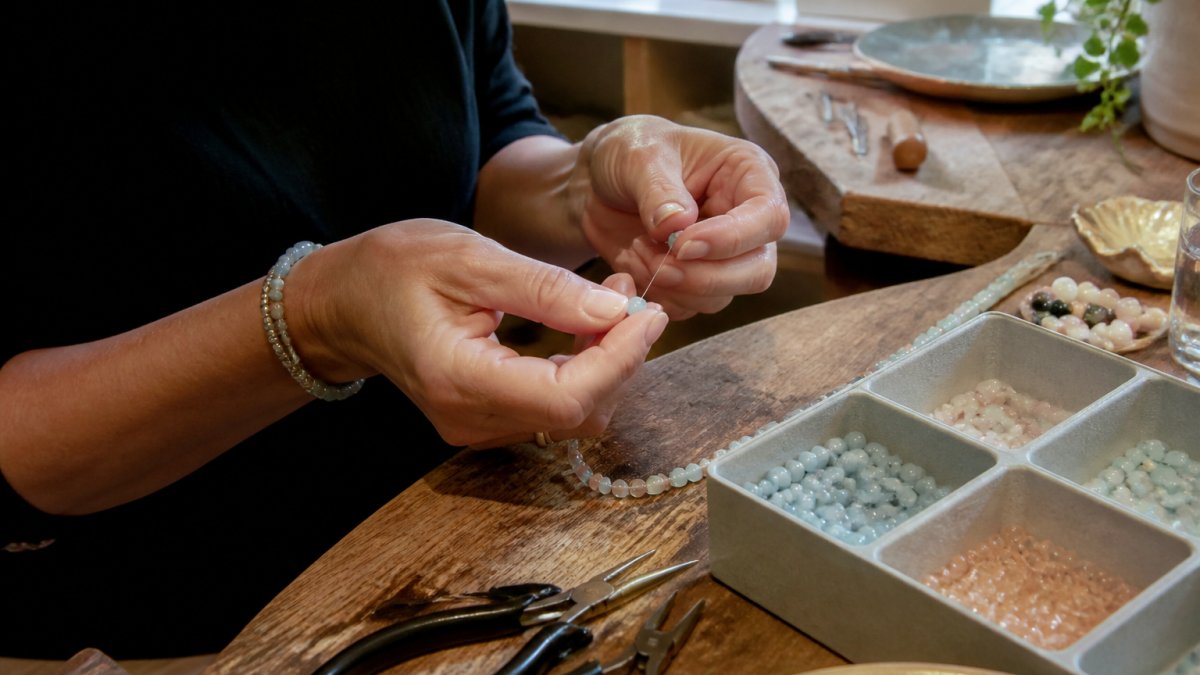
Labor is where handmade and mass-produced prices diverge most. A single beaded bracelet involves selecting stones that sit well together, laying out the pattern, stringing, finishing, and checking the clasp. Skilled hands move faster, but skill also raises the hourly rate, and hand finishing cannot be batched the way a machine process can.
A worked example makes the build-up visible. For a single handmade beaded bracelet, a typical cost structure can look like this:
| Cost line | What it covers | How it behaves |
|---|---|---|
| Stones | Natural gemstone beads, sorted and matched | Rises with grade, size, and batch size |
| Metal components | Clasp, crimps, spacers, wire | Rises with metal purity and weight |
| Labor | Selection, layout, stringing, finishing, clasp check | Rises with hours and skill level |
| Overhead | Studio, tools, lighting, insurance, software | Fixed per month, spread across pieces |
| Payment and platform fees | Card processing, marketplace commission | A percentage of the sale price |
| Margin | Reinvestment, warranty reserve, maker income | Must cover returns and repairs |
Two things follow from that structure. First, overhead and fees are largely fixed or percentage-based, so a low-priced piece carries the same overhead burden as a higher-priced one, which squeezes margin unless volume is high. Second, a made-to-order piece carries its full design and setup time on a single sale, while a small batch spreads that time across several units.
Overhead, Fees, and What the Maker Keeps
Overhead is the line buyers rarely see. A studio pays rent or mortgage, utilities, insurance, tool replacement, bench consumables, photography, and website or marketplace fees whether or not a piece sells that month. Payment processing and marketplace commissions take a percentage of every sale, and returns and repairs require a reserve. None of that is padding; it is the cost of staying open long enough to service the piece you bought.
What Is Considered Handcrafted Jewelry?
Handcrafted jewelry is jewelry where a person, not an automated line, makes the design decisions and assembles the piece, usually in small batches or to order. The term is not legally defined, so the honest test is how much of the work happens by hand and how transparent the maker is about it. If you want a practical method to confirm a piece is genuinely handmade, this step-by-step guide to verifying handmade crystal jewelry walks through what to ask and what to look for.
Handcrafted vs Mass-Produced Jewelry: The Real Differences
The core difference between handcrafted and mass-produced jewelry is consistency versus individuality. Mass-produced pieces are identical by design, made in large runs from stock components with tight cost control. Handcrafted pieces vary slightly from one to the next because natural stones vary and a person is doing the work.
That difference shows up in three places:
- Stone selection: a maker matches stones by eye; a factory uses whatever the batch supplies
- Finishing: hand finishing means edges and connections get individual attention
- Reproducibility: a stock design can be reordered forever; a one-of-a-kind piece usually cannot
For a real-world illustration of how handcrafted makers differ from mass-market alternatives, this comparison of two handcrafted jewelry brands shows the trade-offs in practice.
How to Tell If Handmade Jewelry Is Good Quality
Good handmade jewelry shows clean finishing, secure connections, and honest disclosure about materials. Look at the details a machine would hide: the join at a clasp, the consistency of the stringing, whether the stones are described as natural or synthetic. Ask directly whether the piece is made to order, where it is made, and what the care instructions are.
Women’s Aquamarine & Sunstone Bracelet | Natural Stone Jewelry →
What to Inspect Before You Pay
- Ask whether the gemstones are natural, and expect natural variation to be disclosed
- Check the clasp and any joins for secure, tidy finishing
- Confirm the metal type and whether it is plated or solid
If you want a fuller checklist, this guide to verifying authentic handcrafted gemstone jewelry covers the inspection points in detail.
Design Complexity, Custom Work and Production Scale
Complexity and scale both move price, and they move it in opposite directions from what buyers assume. A custom design costs more because the maker spends time on layout and fitting before any assembly, and a one-of-a-kind piece carries that design time entirely on one sale. Production scale works the other way: a maker producing a hundred identical units can spread setup time across all of them, while a made-to-order piece cannot.
Is Handmade Jewelry Worth It? Comparing Like for Like
Handmade jewelry is worth it when the materials and construction justify the difference, and that only becomes clear when you compare like for like. Put two pieces side by side and compare the same things: stone type and whether they are natural, metal type and purity, band or stringing thickness, and whether the price includes sizing. Our own case for handmade crystal jewelry explains where we think that value sits.
| What to compare | Cheaper piece often has | Handcrafted piece often has | Why it matters |
|---|---|---|---|
| Stones | Synthetic or unspecified | Natural, disclosed variation | Changes both look and cost |
| Metal | Plating over base metal | Stated metal type and purity | Affects wear and repairs |
| Construction | Thinner components | Thicker band or stringing | Affects daily durability |
| Sizing | Fixed stock size | Made or adjusted to measure | Fit and comfort |
| Repairs | Often not offered | Maker can service the piece | Lifetime cost |
A Practical Framework for Comparing Two Prices
A price tag alone tells you nothing until you normalize what is being sold. Use this sequence so you are comparing the same things:
- Specify the stones. Ask for the stone type, whether natural, treated, or synthetic, and the size in millimeters or carats. A 6 mm natural stone and a 6 mm synthetic stone are not the same product at the same price.
- Specify the metal. Ask for the metal type and purity (for example, sterling silver versus silver-plated brass, or 14K versus gold-plated). Plating thickness matters too, because thin plating wears through at high-friction points like clasps and ring shanks.
- Specify the dimensions. Band width, stringing diameter, and overall length change both durability and material cost. A thinner band uses less metal and wears faster.
- Specify the construction. Ask how joins are made, whether the clasp is soldered or crimped, and whether the piece is strung on wire or thread. These choices affect repairability.
- Specify what is included. Ask what the price covers, such as sizing or packaging, and whether any adjustment is available.
When you run two pieces through that framework, the cheaper option sometimes remains cheaper and sometimes does not. The point is to know which difference you are paying for.
What to Inspect to Verify Craftsmanship
General quality claims are easy to make, so inspect the details a machine would hide:
- Finishing: run a fingertip along edges and joins; hand-finished pieces should feel smooth, not sharp or rough.
- Settings and joins: check that stones sit securely and that clasps and connectors are closed and tidy, not crimped loosely.
- Soldering: on metal pieces, look for smooth, filled joins rather than gaps or discoloration that suggests a cold or incomplete solder.
Aftercare and Lifetime Cost
Upfront cost is only part of what a piece costs you. A handmade piece from a maker who stands behind it can usually be restrung, resized, or repaired, which extends how long you wear it. A mass-produced piece with plated metal and a fixed size often cannot be serviced economically, so a break means replacement. Ask about resizing and repairs before you buy, and factor that into the comparison.
Repairs, Resizing and Lifetime Ownership Costs
Upfront cost is only part of what a piece costs you. A handmade piece from a maker who stands behind it can usually be restrung, resized, or repaired, which extends how long you wear it. A mass-produced piece with plated metal and a fixed size often cannot be serviced economically, so a break means replacement. Ask about resizing and repairs before you buy, and factor that into the comparison.
Choosing a Handcrafted Piece That Earns Its Price
Start with the materials and the construction, then decide whether the design is worth the difference to you. A piece earns its price when the stones are natural and disclosed, the finishing is clean, and the fit is right. If you want a concrete example, our aquamarine and sunstone bracelet is handmade in Ontario from genuine natural stones, with custom sizing available on request.

Frequently Asked Questions
Why does handcrafted jewelry cost more than mass-produced jewelry?
The gap comes from how the piece is made, not from a bigger markup. A factory spreads tooling and setup costs across thousands of identical units and buys materials in bulk. A handcrafted piece is made one at a time: the maker selects individual stones, shapes and finishes the piece by hand, and absorbs studio overhead on a much smaller output. Labor hours per item are far higher, and natural gemstones vary enough that each piece needs its own matching and setting decisions. You are paying for time, skill and stone selection rather than volume.
How can I tell if handmade jewelry is good quality when buying online?
Ask for close-up photos of the actual piece, not stock images, and check that stone colors and patterns match between the listing and the real item. Look for details in the listing: named stone types, metal purity, finished length, and whether sizing is offered. Read the care instructions and return policy before you buy. On arrival, inspect the finish between beads and at the clasp, check that the stringing or wire feels secure, and confirm the weight feels right for the stone sizes described.
Is handmade jewelry worth the higher price?
It depends on what you are comparing. A $46 handcrafted bracelet with genuine aquamarine and sunstone is not competing with a $10 fashion bracelet; it is competing with other natural-stone jewelry. Compare stone type, metal findings, finishing and whether the maker will resize or repair. If the piece uses real gemstones and is finished cleanly, the higher upfront cost usually reflects materials and hours rather than a premium label. If the listing is vague about stones and materials, the price is harder to justify.
Does handcrafted jewelry hold its value or increase in value?
Most handcrafted crystal and gemstone jewelry is bought to wear, not to invest in. Resale value depends on the precious metal content and the gemstones, and beaded pieces with base-metal findings rarely resell for close to their purchase price. Well-made handcrafted jewelry can offer a longer service life, which spreads the cost across years of wear. Treat the value as wear and longevity rather than resale appreciation.
The honest challenge is that most jewelry listings tell you very little about stones, metal, or who made the piece. We built GCDJewelry to answer those questions up front: every piece is handmade in Ontario from natural gemstones, natural variation is disclosed rather than hidden, and custom sizing is available on request. Get started with GCDJewelry and choose a piece you can trace back to the bench it was made on.