
Table of Contents
- How to Tell if Crystals Are Real: Start with Visual Inspection
- Crystal Authenticity Tests: Color and Transparency
- How to Tell if a Crystal Is Dyed or Treated
- Tactile Tests: Temperature, Weight, and Hardness
- Fake Crystal Examples and How to Spot Them
- How to Identify Genuine Gemstones: What Tests Can't Tell You
- Stone-Specific Identification: Quartz, Amethyst, and Citrine
- Frequently Asked Questions
Last Updated: October 5, 2026
How to Tell if Crystals Are Real: Start with Visual Inspection
The easiest way to tell if crystals are real starts with what you can see. Real crystals show natural imperfections, irregular patterns, and authentic color variation. Fake crystals, made from glass or resin, look too perfect and uniform.

When you examine a crystal closely, look for these signs of authenticity:
- Natural imperfections, Real crystals have tiny cracks, inclusions, and surface irregularities. These are marks of genuine mineral formation, not flaws.
- Irregular color distribution, Authentic crystals rarely have perfectly even color. You'll see lighter and darker areas, which reflect how the mineral formed naturally.
- Varied transparency, Some parts may be clearer than others. This variation is normal in real gemstones.
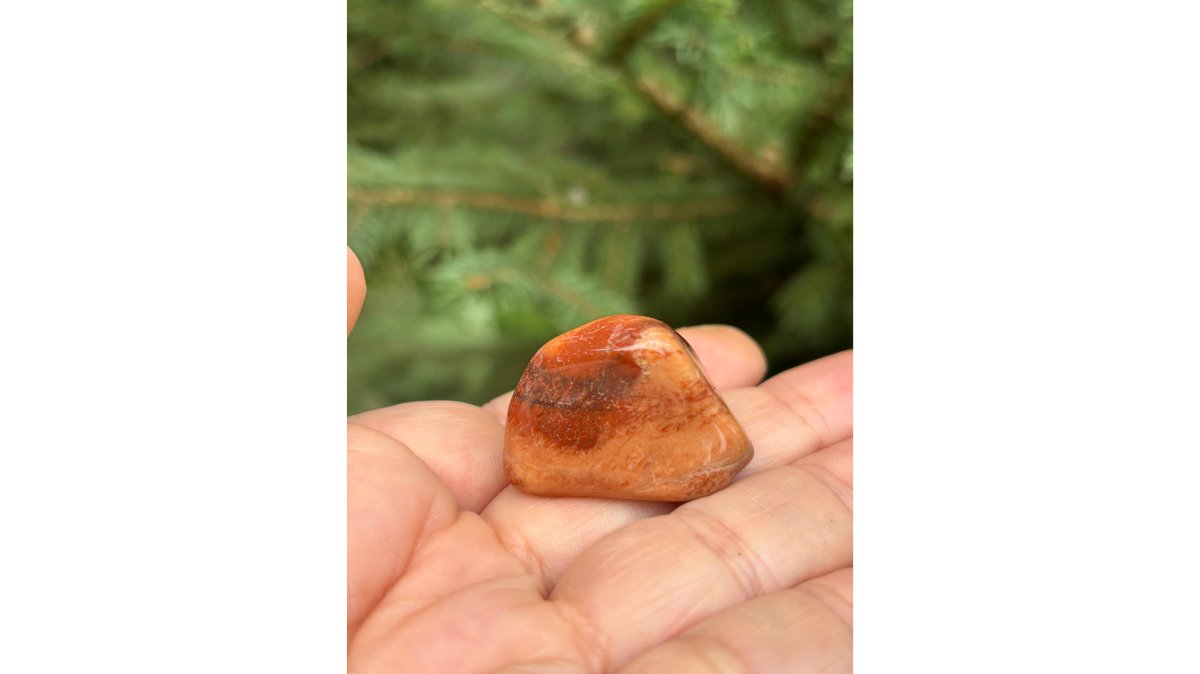
Look for natural imperfections and irregular patterns
Natural crystals develop their character over thousands of years. That character shows up as imperfections you can actually see. Glass imitations, by contrast, are manufactured to be flawless. They lack the subtle variations that make real crystals interesting.
When inspecting a crystal, hold it up to natural light. Tilt it slowly. Real crystals will show you:
- Tiny surface scratches and marks
- Internal fractures or "feathering" patterns
- Uneven color saturation in different areas
- Natural layering or banding
If the crystal looks like it came off a factory line, perfectly smooth, evenly colored, completely transparent, it's likely synthetic or glass.
Check for air bubbles and glass characteristics
Air bubbles are one of the clearest signs you're holding glass, not a real crystal. Glass forms when liquid cools quickly, and that rapid cooling traps tiny air pockets inside.
Real crystals don't have air bubbles. Minerals crystallize slowly over time, allowing gases to escape. If you see small, round bubbles trapped inside the stone, you have glass.
Look for these glass indicators:
- Visible air bubbles of any size
- A glassy, slick surface texture
- Uniform clarity throughout (no natural cloudiness)
- Sharp, uniform edges that feel almost plastic-like
Crystal Authenticity Tests: Color and Transparency
Real crystals tell a story through their color. That story includes variations, inconsistencies, and sometimes unexpected patterns. Fake crystals and dyed stones tell a different story, one of artificial uniformity.
Spot unnatural color consistency and dye
Dyed crystals are real minerals that have been artificially colored. The dye sits on or near the surface, creating an unnaturally perfect hue that doesn't match how nature would color that stone.
Real amethyst, for example, gets its purple from iron impurities in the quartz. That color varies naturally, some areas are deeper purple, others lighter. When you see an amethyst with absolutely uniform, vivid purple throughout, suspect dye.
How to spot dyed stones:
- The color seems too bright or saturated
- Color is perfectly even with no natural variation
- The color is concentrated on the surface only
- Dye may rub off if you handle the stone roughly
Examine color pooling in cracks and crevices
This is one of the most reliable tests for spotting dye. When a crystal is dyed, the color pools in cracks, fractures, and crevices like water settling in low spots.
Real crystals don't show this pooling effect. Their color is distributed evenly throughout the mineral structure, not concentrated in surface cracks.
To test for color pooling:
- Find any cracks or surface crevices in the crystal
- Look closely at whether color is darker in those crevices
- Compare the color in cracks to the color on flat surfaces
- Dyed stones will show noticeably darker color in the cracks
If you see bright color pooling in every crack, you're likely looking at a dyed stone.
How to Tell if a Crystal Is Dyed or Treated
Heat treatment and artificial coloring are common in the crystal industry. These treatments aren't always disclosed, but they change what you're actually buying.
Recognize heat-treated and color-enhanced stones
Heat treatment is one of the most common ways to alter crystals. High heat can deepen or change a stone's color, making a pale amethyst look like a deep purple gemstone.
Heat-treated stones aren't inherently bad, but you should know what you're buying. A heat-treated citrine costs less than a naturally colored one, and that price difference matters.
Signs of heat treatment include:
- Color that's too uniform or too intense
- Loss of natural banding or layering
- Unusual color for that type of crystal (extremely dark or bright)
- A glassy appearance rather than natural luster
Real, untreated crystals show the authentic colors that formed during their natural growth. At GCDJewelry, we source crystals, so you get the genuine mineral.
Tactile Tests: Temperature, Weight, and Hardness
Your hands can tell you a lot about whether a crystal is real. Real crystals feel different from glass or plastic, they're denser, cooler, and harder.
Feel the temperature and density of genuine crystals
Real crystals stay cool longer than glass or resin. This happens because minerals conduct heat differently than synthetic materials. When you hold a real crystal in your hand, it feels cool to the touch for several seconds.
Glass warms up quickly because it's a poor heat conductor. Resin, even worse, warms almost immediately.
The weight test also works. Real crystals are denser than glass. Pick up two stones of the same size, one real, one fake. The real crystal will feel noticeably heavier in your hand.
To perform the temperature test:
- Hold the crystal in your closed hand for 10 seconds
- A real crystal will feel cool against your skin
- Glass or resin will warm up within seconds
- Real minerals conduct heat away from your hand more efficiently
Perform a safe scratch test without damage
The scratch test checks hardness. Real crystals are harder than glass, so a real crystal will scratch glass, but glass won't scratch the crystal.
This test is safe if you do it carefully. You're not scratching your valuable crystal, you're testing glass instead.
Here's how to do the scratch test safely:
Petrified Stone, large tumbled stones →
- Find an old piece of clear glass (a spare window pane or old glass jar works)
- Try to scratch the glass with your crystal
- A real crystal will leave a visible scratch mark on the glass
- Glass won't scratch your crystal
If your crystal scratches the glass easily, it's real. If the glass remains unmarked, your stone might be glass or resin.
Fake Crystal Examples and How to Spot Them
Not all fakes are created equal. Glass, resin, and synthetic gemstones each have different telltale signs.
Glass and resin imitations
Glass is the most common fake crystal. It's cheap to produce, looks decent at first glance, and fools casual buyers.
Resin is another common imitation. It's even lighter than glass and much softer. Resin crystals scratch easily and won't pass the hardness tests.
How to spot each:
Glass:
- Contains visible air bubbles
- Warms up quickly in your hand
- Feels lighter than a real crystal of the same size
- Has a glassy sheen rather than natural crystal luster
- Scratches easily (fails the scratch test)
Resin:
- Very lightweight
- Feels almost plastic-like
- Scratches extremely easily
- Warm to the touch immediately
- Often has a slightly sticky surface feel
Synthetic gemstones versus natural minerals
Synthetic gemstones are lab-created crystals with the same chemical composition as natural ones. They're not fake, they're just manufactured rather than mined.
The problem is that synthetic stones are often sold as natural without that disclosure. You might pay natural crystal prices for a lab-created stone.
Synthetic stones typically show:
- Perfect clarity (no inclusions or imperfections)
- Uniform color throughout
- A slightly "too perfect" appearance
- Sometimes visible growth patterns from the lab creation process
Natural minerals, by contrast, show the random imperfections that come from forming in the earth over millennia.
How to Identify Genuine Gemstones: What Tests Can't Tell You
At-home tests can catch obvious fakes. But they have limits. Some treatments and enhancements are nearly impossible to spot without professional equipment.
Limits of at-home identification
You can identify obvious glass or resin with the tests above. But subtle treatments, heat exposure, irradiation, or coating, require laboratory analysis.
A crystal might pass every at-home test and still be artificially enhanced in ways you can't see. This doesn't make it worthless, but it changes its value and authenticity.
Be honest about what you can determine at home:
- You can spot glass and resin
- You can detect obvious dye or color pooling
- You can test hardness and temperature
- You cannot detect subtle heat treatment or irradiation
- You cannot verify the stone's origin or mining history
When to seek professional verification and documentation
Professional gemologists use specialized equipment: spectroscopes, UV lights, and microscopes. These tools reveal treatments and enhancements that are invisible to the naked eye.
If you're buying a high-value crystal or one where authenticity matters deeply to you, ask for professional certification. Reputable sellers provide documentation.
When to get professional verification:
- You're buying an expensive piece
- The stone will be worn daily and needs durability confirmation
- You need documentation for insurance or resale
- You're concerned about specific treatments or enhancements
- You want absolute certainty about what you're buying
GCDJewelry provides handcrafted crystal jewelry made with natural gemstones. Each piece is created in Ontario with attention to quality and authenticity, so you can wear your crystals with confidence knowing exactly what you have.
Stone-Specific Identification: Quartz, Amethyst, and Citrine
Different crystals have different characteristics. Knowing what to look for in specific stones helps you spot fakes more reliably.
Quartz is the most common crystal, and it's the most commonly faked. Real quartz is harder than glass but softer than many other gemstones.
Amethyst (purple quartz) should show natural color variation. Real amethyst ranges from pale lavender to deep purple, often with lighter areas.
Citrine (yellow quartz) is frequently heat-treated from pale amethyst. Natural citrine is rare and pale. Bright, deep yellow citrine is almost always heat-treated.
When you examine these common crystals:
- Look for natural color banding and variation
- Test for hardness with the scratch test
- Check for air bubbles or glassy appearance
- Feel the weight and temperature
- Compare to known authentic examples if possible
Knowing how to tell if crystals are real protects your investment and ensures you're getting what you pay for.
Frequently Asked Questions
Can you tell if a crystal is real by its temperature?
Yes. Genuine crystals feel cool to the touch and stay cool longer than glass or resin, because they conduct heat differently. Glass warms quickly in your hand, while real crystals maintain a steady coolness. This is one of the simplest non-destructive tests you can perform at home without any tools.
How can you tell if a crystal has been dyed or treated?
Look for color pooling in cracks, crevices, and fractures where dye concentrates. Unnatural brightness or perfect color consistency across the entire stone can signal artificial enhancement. Request documentation from sellers about any treatments applied.
What are signs that a crystal is fake?
Fake crystals often show air bubbles or gas pockets (indicating glass), perfectly uniform color without natural variation, or obvious surface inconsistencies. Imitation stones feel warm quickly in your hand, lack natural imperfections, and may have a plastic-like appearance. Resin imitations are lighter than genuine minerals and can feel greasy to the touch.
Can you test whether a crystal is real at home without damaging it?
Yes. Safe at-home tests include visual inspection for inclusions and irregular patterns, checking temperature, assessing weight and density, and examining color consistency. Avoid destructive tests like striking the stone hard or using harsh chemicals. For definitive authentication of expensive pieces, consult a professional gemologist who can verify authenticity without risk of damage.