
Last Updated: November 19, 2026
Quick Summary
Black tourmaline is the most common choice for grounding and travel protection, while moonstone is the traditional traveler's stone. A multi-stone set such as onyx, sodalite, turquoise, and tiger's eye covers protection, clear thinking, and alertness in one small loop. These stones are symbolic reminders, not guarantees of safe travel.
- Our single tumbled stones are small, palm-friendly pieces, and corded loops fit a purse or carry-on.
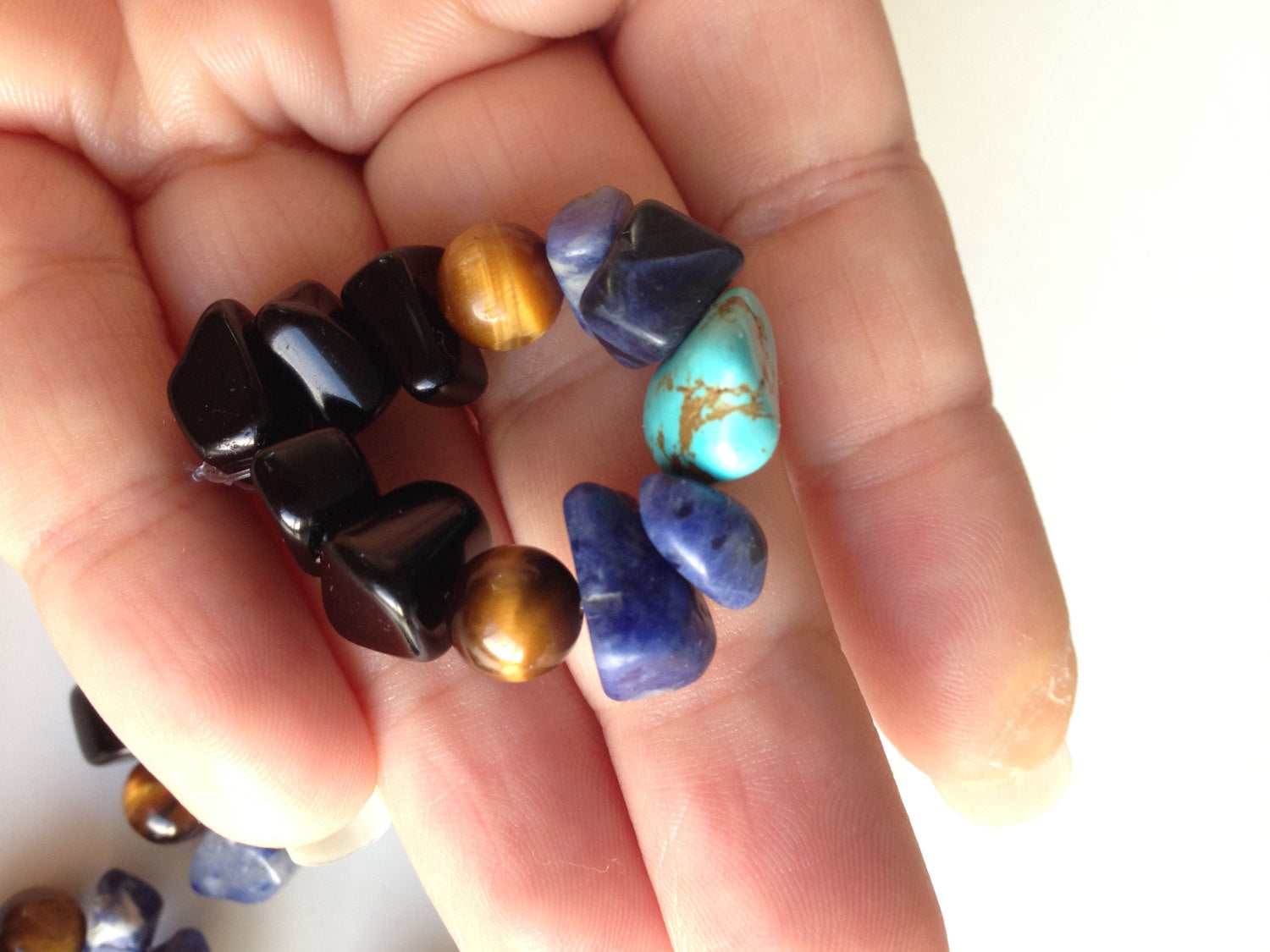
- The four-stone onyx, sodalite, turquoise and tiger's eye loop costs $13.95.
- Moonstone is the softest stone in the guide at around 6 on the Mohs scale.
- Pack pouched stones in carry-on so loose items do not roll in a security bin.
- Pick one landing spot per hotel room, such as the nightstand, for your stone and keys.
Table of Contents
- How to Choose Crystal Pocket Stones for Travel Protection
- Quick Comparison of Pocket Stones for Safe Travels
- 1. Travel Pocket Stones in Onyx, Sodalite, Turquoise and Tiger's Eye
- 2. Black Tourmaline Tumbled Pocket Stone
- 4. Citrine, Hematite and Black Onyx Pocket Stones
- 5. Snowflake Obsidian and Unakite Pocket Stones
- 6. Shungite Cube Pocket Stones
- How to Carry Crystals While Traveling Through Airports and Hotels
- Care, Cleansing and Storage While Away
- Frequently Asked Questions
How to Choose Crystal Pocket Stones for Travel Protection
Travel protection is a tradition, not a guarantee. At GCDJewelry, we make small corded pocket-stone sets and single tumbled stones, and we are upfront about what that means: a stone in your pocket is a reminder to breathe, stay alert, and keep your head when plans shift. It will not stop a delayed flight or a stolen wallet.
Below, we break down the best crystal pocket stones for travel protection by size, weight, and what each stone is traditionally associated with, so you can pick one before your next trip.
Size, Weight and Pocket Fit
A travel stone should disappear in a pocket. Our single tumbled stones are small, palm-friendly pieces, and our corded loops are small enough for a purse, carry-on, or glove box. Anything heavier becomes a nuisance at security or on a long walk. Natural variation is normal: expect differences in shape, color, and polish from piece to piece.
What These Stones Can and Cannot Do
Stone meanings are traditional and symbolic associations. They are not medical claims, and no stone promises safe travel, safe driving, or theft prevention. What a pocket stone can do is give you a physical anchor, something to hold while you wait in an airport or settle into a hotel room. That is the honest version, and it is the one worth building a habit around.
Quick Comparison of Pocket Stones for Safe Travels
The table below compares every set in this guide by format, size, and traditional association, so you can match a stone to your trip at a glance.
| Set | Format | Approx. Size | Traditional Association | Price |
|---|---|---|---|---|
| Onyx, Sodalite, Turquoise & Tiger's Eye | Corded loop | Pocket/pouch size | Protection, clear thinking, travel tradition, alertness | $13.95 |
| Black Tourmaline | Single tumbled stone | 2-2.5 cm | Grounding and protection | $9.22 |
| Black Moonstone | Single tumbled stone | 30 mm long | Intuition, calm, traveler's stone | $11.25 |
| Citrine, Hematite & Black Onyx | Corded loop, ~9 cm around | Pocket size | Optimism, grounding, boundaries | $14.25 |
| Snowflake Obsidian & Unakite | Corded loop | Pocket size | Balance, patience, grounded protection | $9.90 |
| Shungite Cube | Single irregular cube | 2-3 cm | Grounding | $11.85 |
Price
1. Travel Pocket Stones in Onyx, Sodalite, Turquoise and Tiger's Eye
Our pick for a first travel set is this four-stone loop.
The loop is strung on cord and made to order, so stone size and turquoise color will vary from the photos. It is not a bracelet, so do not stretch it over your wrist.
Best for: a first travel talisman or a gift for someone heading out on a trip. Skip if: you want a single stone to hold in your hand.
You can view the travel pocket stones set to see the current stone mix.
2. Black Tourmaline Tumbled Pocket Stone
If you want one stone and nothing else, start here. You can view the Black Tourmaline Tumbled Pocket Stone to see the current piece and purchase it.
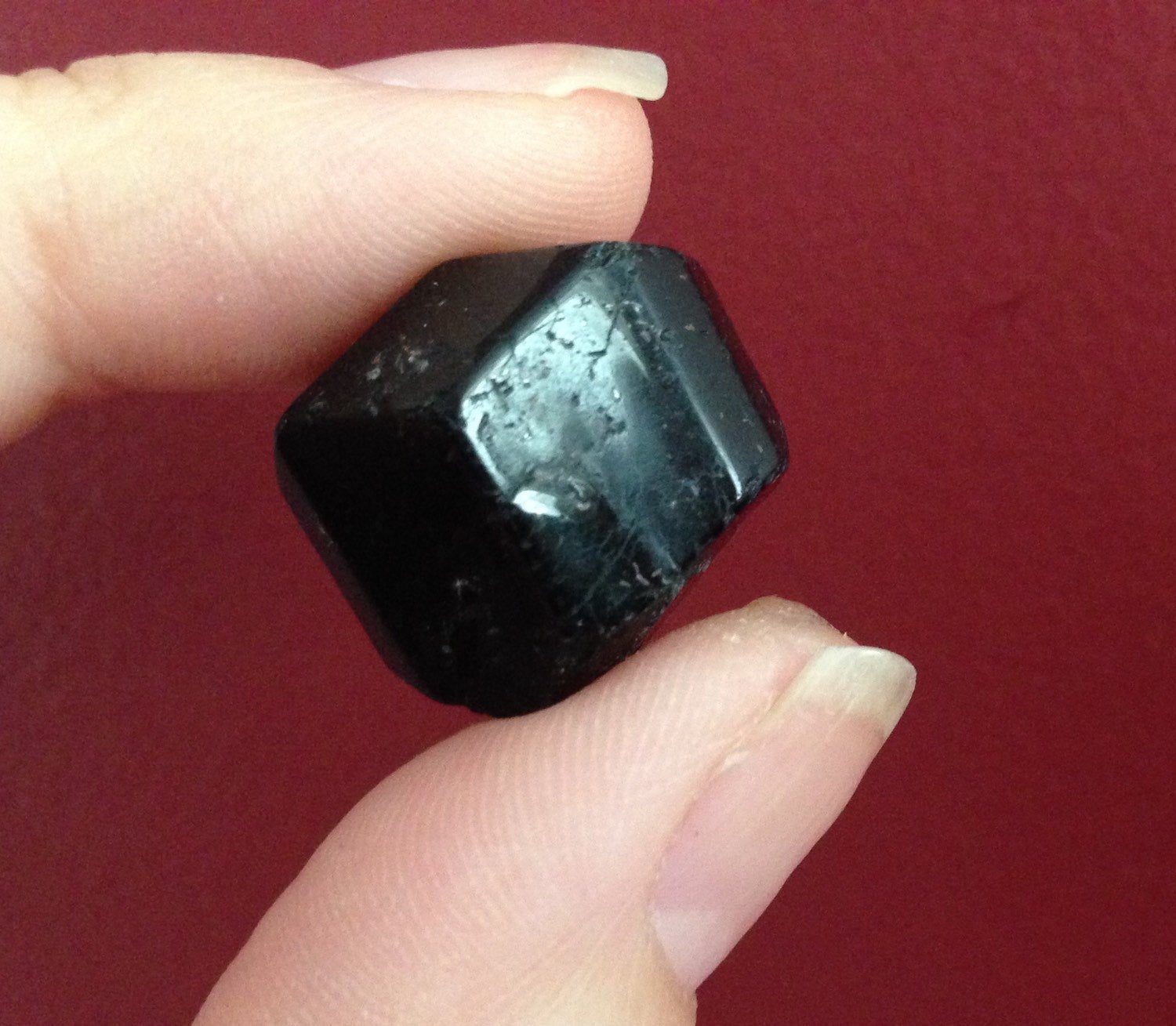
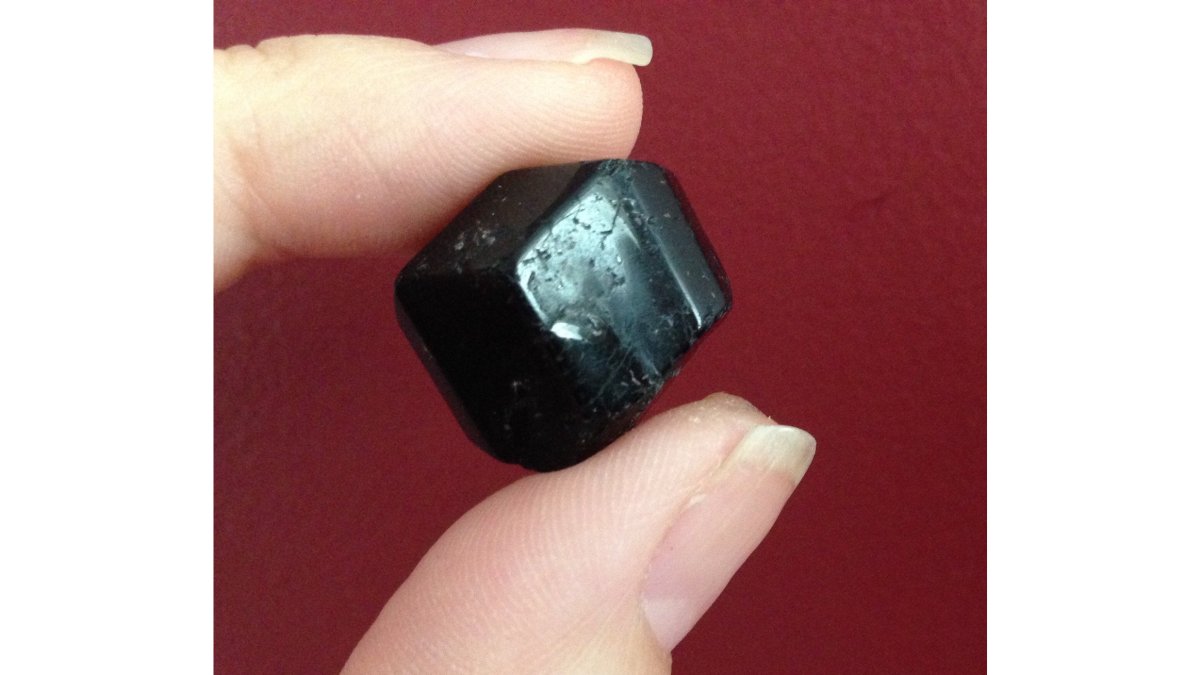
Watch out: schorl is iron-rich, so skip salt water entirely. A brief rinse in cool water is fine, but pat it dry and do not soak it.
Best for: travelers who want a grounding stone with no cord or moving parts. Skip if: you prefer a set that covers several intentions at once.
(/products/black-moonstone-pocket-stone-s006) to see the actual stone and buy it.One practical note: moonstone is relatively soft. Store it apart from harder stones so it does not get scratched.
Best for: anxious flyers and anyone who wants a calmer pace on the road. Skip if: you need a stone that can take rough handling.
4. Citrine, Hematite and Black Onyx Pocket Stones
Not every trip is about protection. Some are about opportunity, and this trio leans that way. You can view the Citrine, Hematite and Black Onyx Pocket Stones to check the details and purchase the trio.
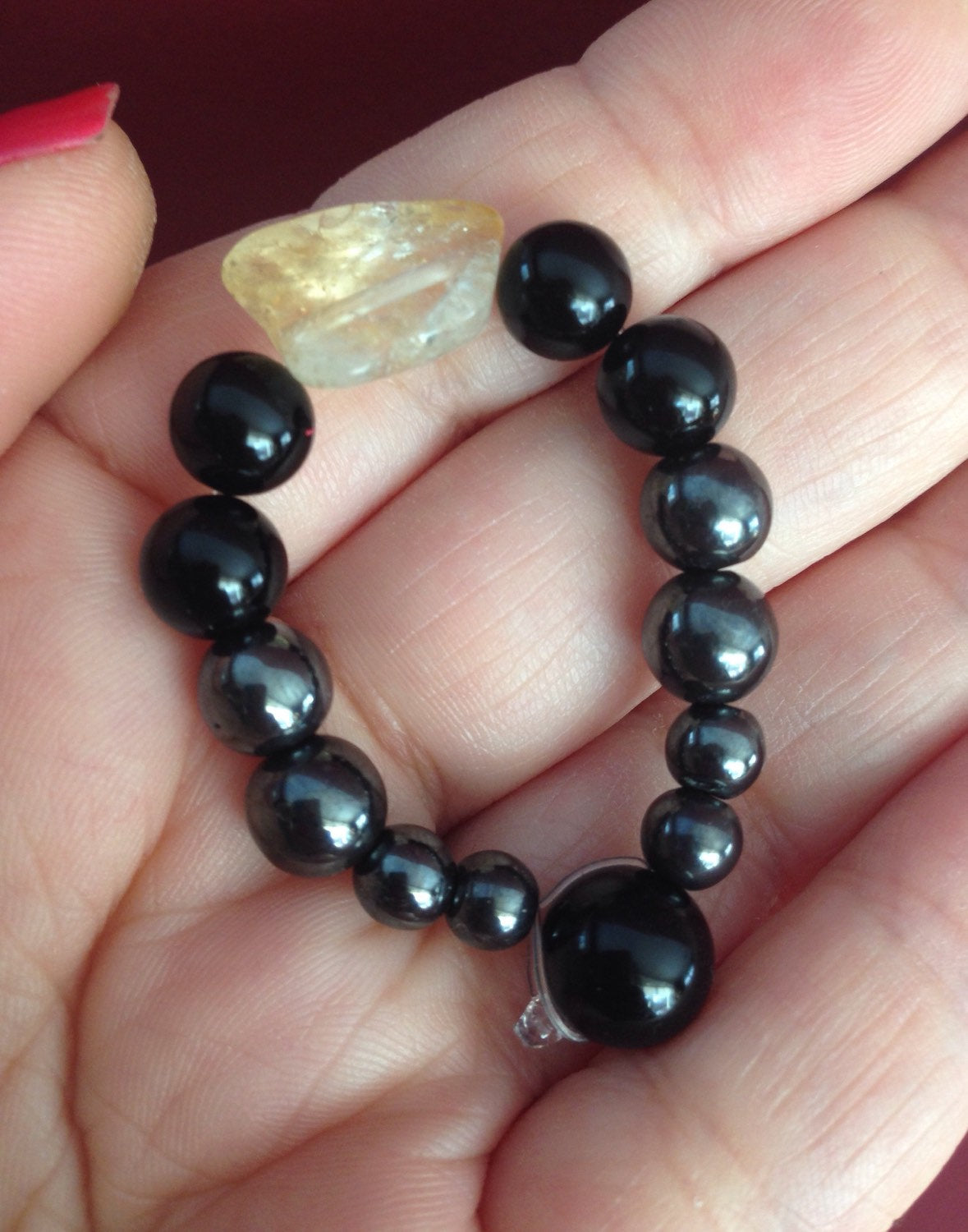
Hematite is iron-rich, so keep it dry if you want the metallic polish to stay bright. Expect the citrine tumble to differ in size and shade from the photo, since much commercial citrine is heat-treated amethyst.
Best for: work trips, interviews, and anyone chasing a bit of luck. Skip if: you want a purely protective stone.
5. Snowflake Obsidian and Unakite Pocket Stones
Snowflake obsidian is black volcanic glass with white markings, traditionally linked with balance and noticing patterns, while unakite is traditionally chosen for patience and a gentler outlook. You can view the Snowflake Obsidian and Unakite Pocket Stones to see the pair and buy the set.
Obsidian is glass, so do not knock it against tile or a bathroom counter. Wipe it with a soft, dry cloth and avoid long soaks.
Best for: group trips and family visits. Skip if: you want a single-stone format.
6. Shungite Cube Pocket Stones
Shungite is a carbon-rich rock traditionally chosen for grounding. This is a traditional use, not a proven shield against electromagnetic fields. What you get is an irregular matte-black cube, shipped from Ontario with an organza bag when available.
Shungite can leave a light carbon smudge on skin or fabric, so wash your hands after handling. Keep it dry to preserve the matte finish, and do not use it in drinking water.
Best for: desk-to-travel grounding and tech-heavy trips. Skip if: you want a polished stone with a sheen.
How to Carry Crystals While Traveling Through Airports and Hotels
Crystals travel in carry-on or checked baggage as ordinary personal items. Check current screening guidance with the Canadian Air Transport Security Authority before you fly. The practical risks are damage, loss, and forgetting where you put them, not security. A few stone-specific habits make the difference.
Packing by stone type
- Hard stones (black tourmaline, shungite, obsidian): these can share a pouch, but obsidian is volcanic glass and will chip against tile or metal, so keep it in fabric rather than loose in a hard-shell compartment.
- Soft stones (moonstone at about 6 on the Mohs scale, turquoise): pouch separately from harder stones and keys. A single cotton drawstring bag per soft stone is enough.
- Iron-rich stones (hematite, black tourmaline): keep dry. A damp pouch left in a checked bag can dull hematite's metallic polish and leave surface residue on tourmaline.
- Corded loops: lay them flat in a pouch or between folded clothing so the cord does not kink or stretch. Do not hang them from a bag strap where they can catch.
At security screening
Place pouched stones in your carry-on rather than your pocket so you are not emptying loose items into a bin where they can roll. If a stone is sentimental, keep it in carry-on rather than checked luggage; checked bags are the most common place travelers lose small items. There is no need to declare crystals or remove them from a pouch unless a screening officer asks.
Hotel and destination routine
Pick one landing spot in each room, such as the nightstand, and put the stone there with your keys and phone.
For durability reference before you pack, check the Mohs hardness scale from the National Park Service.
Watch out: do not rely on a pouch in an open tote or backpack pocket where a stone can slide out during boarding or a taxi ride; a zippered inner pocket is safer.
Care, Cleansing and Storage While Away
Keep it simple: a soft dry cloth, a dry pouch, and a habit of not soaking anything. The stone-specific details are where most travel guides stop short, so here is what actually matters on the road.
Water exposure by stone
- Turquoise: porous and often stabilized; keep it out of water, sunscreen, and perfume. A dry wipe is enough.
- Hematite: iron-rich; long water exposure dulls the metallic polish and can leave rust-colored residue on fabric.
- Black tourmaline (schorl): iron-rich; a brief cool rinse is fine, but pat dry and do not soak. Skip salt water entirely.
- Shungite: can leave a light carbon smudge; keep dry to preserve the matte finish and wash hands after handling.
- Moonstone: relatively soft at around 6 on the Mohs scale; keep dry and store apart from harder stones.
- Obsidian: glass; avoid long soaks and do not knock it against tile or a bathroom counter.
- Corded sets: the cord dislikes long water exposure and salt water more than the stones do; keep the loop dry and lay it flat to dry if it gets damp.
Cleansing on the road
If you want to cleanse a stone while traveling, set it in moonlight or simply hold it and set an intention. Skip the salt bowl, as salt can dull iron-rich and porous stones. A dry cloth wipe between wears is enough for most trips.
Storage while away
Use the organza or cotton bag your stone arrived in, and keep one bag per soft stone so moonstone and turquoise are not rubbing against black tourmaline or shungite.
Watch out: leaving a damp pouch in a checked bag for a long flight can dull hematite or cloud a turquoise surface.
Travel is unpredictable, and the small ritual of a stone in your pocket is one thing you can control. GCDJewelry has been handcrafting natural gemstone pieces in Ontario since 2012, and our pocket stones are made to order from real, varied stone.
Frequently Asked Questions
What are the best crystals to carry for travel protection?
Black tourmaline and black onyx are small tumbled stones that fit a pocket without bulk. Moonstone has a long folk history as a traveler's stone, and turquoise appears in travel jewelry tradition. Many travelers carry a mixed set instead of one stone, so a corded loop with onyx, sodalite, turquoise and tiger's eye covers protection, clear thinking and alertness in a single piece. Treat all of these as symbolic associations rather than measured protection.
Can you take crystals in your carry-on luggage?
Yes. Check current screening guidance with the Canadian Air Transport Security Authority before you fly. Keep them in a pouch or a zipped pocket rather than loose in a tray, so nothing rolls away at security.
Which crystals are durable enough to keep in a pocket every day?
Black tourmaline sits around 7 to 7.5 on the Mohs scale and handles daily pocket wear well, though it can still chip if dropped on tile. Shungite cubes are tough but leave a light carbon smudge on fabric, so keep them in a pouch. Moonstone is softer than harder stones, so store it alone. Obsidian is glass and should not be knocked against hard surfaces.
Do crystals actually protect you while traveling?
There is no measured evidence that carrying a stone prevents accidents, theft or bad weather. What the stones offer is a traditional and symbolic association, plus a physical object to hold when a flight is delayed or plans change. That ritual can help some people feel steadier, which is a reasonable reason to carry one. Book safe transport, buy travel insurance and keep your valuables secure; the stone is a companion, not a substitute for those steps.
How do you cleanse or recharge travel crystals while away?
Wipe stones with a soft dry cloth and keep them out of long soaks. A brief rinse in cool water is fine for black tourmaline, but pat it dry and skip salt water because the iron content can dull the surface. Turquoise and corded sets should stay dry, and hematite should be kept away from moisture so the polish stays bright.